

Dangerous work conditions excessive dust and their affect on lost staff, retention, physical and mental wellbeing

28
Jan 26
When we talk about dust control in mining, the conversation usually centres on safety — and rightly so. Ongoing exposure to airborne dust poses serious health risks, making effective control essential for compliance and long-term worker wellbeing. If we want to keep skilled workers, we need to get straight to the point: dust control matters. In an industry facing workforce shortages, grabbing attention quickly is essential — otherwise, people will move on.

There’s another side to dust control that often gets overlooked: comfort. How workers feel on site plays a crucial role in retention. Effective dust control affects day-to-day comfort more than many realise. In WA mining, a common phrase sums this up: “Go to work, get the job done, and get home safe.” This highlights why dust exposure is more than just a safety issue — it can cause serious long-term health problems. Workers know breathing dust all day isn’t safe.
Australian mining sites are no strangers to tough conditions. Heatwaves are becoming more frequent and intense, and during peak summer, site temperatures can turn an already demanding job into an exhausting one. Now layer full PPE on top of that. Respirators, coveralls, helmets and eye protection are non-negotiable for safety — but they also trap heat, limit airflow and increase physical strain. Dust doesn’t just impact safety - it affects how workers feel, minute by minute, on site.
Across Australia, mining companies are investing heavily in improving FIFO camp conditions. Better accommodation, better food and better recreational facilities have become standard in the effort to attract and retain skilled workers. However, on-site working conditions remain tough. Many workers spend 10–12 hours a day in hot, dusty environments before heading back to increasingly comfortable camps. That contrast is hard to ignore — and it matters. Comfort during work hours has a direct impact on morale, focus, productivity and long-term job satisfaction. This is where dust control deserves a broader conversation. Too often, dust masks are treated as the solution. But they are a poor Band-Aid fix, addressing only the symptoms rather than the root cause. To truly protect workers, we need to prevent dust exposure at the source.
Effective dust control improves air quality, reduces visibility issues and eases the physical load placed on workers wearing PPE. Cleaner air means easier breathing, less heat stress, and reduced irritation to eyes and skin — small changes that add up over the course of a long shift. By controlling dust at the source, sites can often reduce the need for heavier respiratory protection, helping ease discomfort while still meeting safety requirements. Simply put: less dust makes sites more liveable.
Spraying Systems Co. has been supporting dust control across mining operations throughout Australia for years, helping sites manage airborne dust in some of the harshest conditions. Our solutions are designed not only to support compliance and safety outcomes, but to improve day-to-day working conditions — creating sites where workers are more comfortable and better able to perform at their best.
As the industry continues to compete for skilled workers, viewing dust control as both a safety measure and a comfort investment is a practical step forward. Because when sites are safer and more comfortable, everyone benefits.
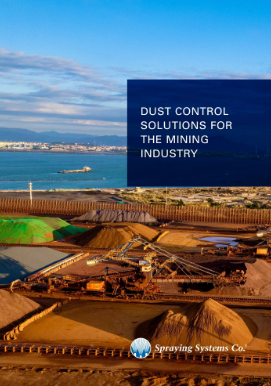
Download our latest Dust Bulletin for Mining for more details, or contact your local Spraying Systems engineer.
Prefer our content in Google?