

SprayInsights
CAN YOU SAVE MILLIONS OF GALLONS OF WATER WHEN CLEANING EQUIPMENT?
Inefficient cleaning can waste water, chemicals, energy and production time. It can also result in safety risks and unscheduled downtime. That’s why plants across the country have automated equipment cleaning.
This issue of SprayInsights focuses on the multiple benefits of automated equipment cleaning — including improved sustainability, savings, uptime and safety. More importantly, it demonstrates how a necessary maintenance function can be transformed into a proven efficiency driver across the plant.
Issues with Manual Cleaning
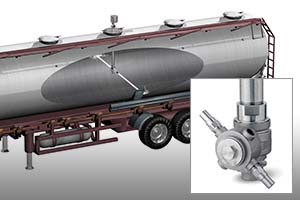
For many operations, the cleaning of tanks, totes, mixers, reactors, barrels, chests and vessels is not as efficient as it could be. Using a manual process or the wrong type of automated cleaning equipment leads to a process that is time consuming and wasteful. Manual cleaning with hoses and scrub brushes, or the fill and drain method, are also difficult and potentially dangerous.
Major manual equipment cleaning challenges include:
-
Extensive water, chemical and energy use
-
Less consistent and effective cleaning
-
Unnecessary safety risks
-
Cross-contamination, rework and waste
-
Significant labor
Click here to learn why automated equipment cleaning is a better option for food and beverage processing, chemical processing, pulp and paper and other industries.
Improving Plant Sustainability
Plants that switch from manual to automated equipment cleaning have the potential to save millions of gallons of water every year, depending on cleaning requirements and the number of tanks, totes, vessels, drums and mixing equipment in the plant. Reduced chemical use occurs in tandem with water savings because these fluids are pumped into the tank simultaneously. Saving water also contributes to reduced energy use. If water is heated for cleaning, using less water reduces the amount of energy required. Plants that use less water also reduce the energy required for pump operation.
To learn more about automated tank cleaning and two other ways to reduce water use, download our white paper.
Cleaning Effectiveness without Compromises
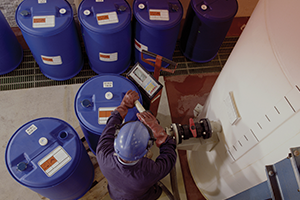
Manual tank cleaning falls far short of automated equipment cleaning in cleaning effectiveness. That’s because automated cleaning ensures consistent, reliable, repeatable cleaning of tanks, totes, vessels, drums and mixing equipment every time. Automated cleaning has the ability to remove residues — even stubborn ones — completely.
Here are three more compelling reasons to consider automated cleaning:
-
Dramatically better and faster cleaning with higher impact that returns equipment to service more quickly than manual cleaning
-
Optimal, consistent cleaning from a system that’s performance-built to accomplish repeatability
-
Optimal, consistent cleaning from a system that’s performance-built to accomplish repeatability
To learn how automated cleaning reduces cleaning time, download our white paper.
Reducing Expenses

The cost of downtime for equipment cleaning is an ongoing expense. When cleaning is automated, maintenance is streamlined enabling equipment to be returned to service more quickly. In addition, automated cleaning reduces water, energy and chemical use, eliminating the need for manual labor and extends pump life.
Read the case study to learn how one manufacturer reduced cleaning time by 75% and offset equipment cost in less than a week.
Improved Worker Safety
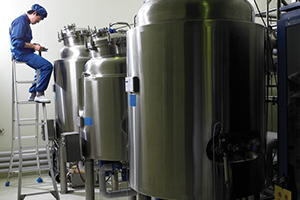
The struggle to maintain productivity levels and ensure safe procedures is a delicate balancing act. Manual tank cleaning exposes workers to a number of inherent safety risks:
-
Harsh or dangerous chemicals
-
Extremely hot water
-
High-pressure hoses
-
Risk of explosion in some instances
-
Confined spaces
-
Slippery, hazardous work environments
Automated tank cleaning helps safeguard your workers, your plant and your reputation against the risks posed by manual cleaning. In addition, your workers can have increased productivity and job satisfaction. They can be deployed into other, more rewarding tasks.
Learn how one manufacturer saved US$75,000 annually on tank cleaning labor in this case study.