



How NOx Reduction Works
NOx emissions control uses precisely injected ammonia or urea to react with nitrogen oxides in combustion gas streams. Spray performance is critical because the reagent must reach the right area of the gas stream, evaporate properly and mix evenly before the reaction window is missed. Droplet size, spray angle, velocity, distribution, lance placement, gas temperature and residence time all affect performance. Poor injection can lead to ammonia slip, reagent carryover, wall wetting, reduced efficiency and maintenance issues. The right nozzles, injectors, lances and automated controls help improve reagent use, emissions performance and system reliability.
Speak to an ExpertPrecision for Emissions Control
Engineered NOx emissions control solutions help improve reagent distribution, reaction efficiency, system reliability and compliance-focused performance.

Precise Reagent Injection

Improved Spray Distribution

Reduced Ammonia Slip

Reliable System Control
NOx Emissions Control Solutions by Industry
Petrochemicals

Petrochemical plants apply NOx control across cracking furnaces, fired heaters, process boilers and thermal oxidizers, usually with SCR ahead of the catalyst bed or SNCR in the furnace itself. The constraint in these units is space. Ductwork is short, congested and rarely offers the mixing length needed for ammonia to distribute evenly before it reaches the catalyst.
Spraying Systems Co. uses CFD modeling to design injectors and grids that achieve uniform reagent distribution in confined duct runs. Correct drop size and spray direction keep reagent in the gas stream instead of on duct walls, which protects catalyst life, limits ammonia slip and keeps units running between planned turnarounds.
Oil Refinery
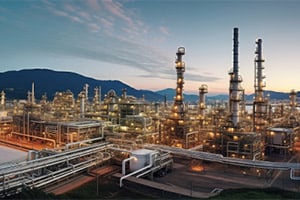
Refineries run NOx control on process heaters, CO boilers downstream of the FCC unit, steam generators and sulfur plant incinerators. Duct cross sections are large, gas velocity profiles are uneven, and units are expected to hold emissions performance for years between turnarounds with no opportunity to re-tune injection hardware.
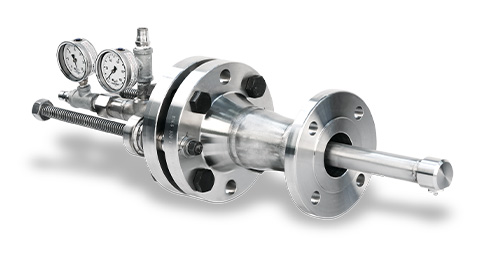
Spraying Systems Co. matches injector count, placement and spray pattern to the measured velocity and temperature profile of each duct. Retractable lances and quills allow nozzle inspection and replacement without a unit shutdown, supporting consistent reduction targets and stable ammonia slip across long run lengths.
Natural Gas

Gas fired plants control NOx from combustion turbines, HRSG duct burners and package boilers. These units cycle. Peaking and load following plants swing output quickly, and reagent demand changes with them. A fixed injection rate either overshoots at low load, wasting reagent and pushing slip up, or falls short at high load and misses the permit limit.
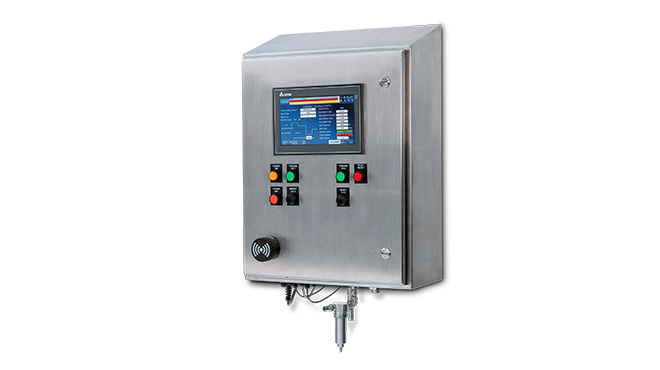
Spraying Systems Co. supplies AutoJet control systems that read NOx sensor feedback and adjust liquid and air flow proportionally in real time. Paired with air atomizing nozzles that hold drop size across a wide turndown range, the system maintains reduction efficiency through start-ups, ramps and load swings.
Coal
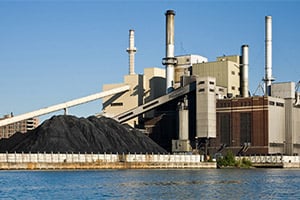
Coal fired boilers typically use SNCR injection in the upper furnace, often combined with downstream SCR. Reagent has to be delivered into a large, dust laden, high temperature gas stream, and the effective temperature window moves as load changes. Poor penetration leaves NOx untreated in part of the flue gas while excess reagent collects on waterwalls and heat transfer surfaces.
Spraying Systems Co. designs multi elevation wall and lance injection so reagent can be shifted to the zone that matches current furnace conditions. Air atomizing nozzles drive droplets into the core of the gas stream, improving distribution while reducing wall wetting, deposit formation and reagent consumption.
Data Centers

Data centers face NOx limits on backup generators, prime power engines and on-site turbines, where permits often restrict both emission rates and allowable run hours. Testing and outage response require these units to come to full load quickly, so aftertreatment has to reach compliance early in the run rather than after a long warm-up.
Spraying Systems Co. works with data center and energy infrastructure teams on compact dosing skids, injectors and automated controls sized for engine and turbine exhaust. Responsive reagent metering supports permit compliance during short duration runs and load testing without adding complexity to critical power systems.
Cement

Cement plants inject reagent into the calciner and riser duct, where SNCR performance depends on hitting the temperature window in a gas stream carrying heavy dust loading. Alkali rich dust abrades hardware and builds up on injectors, and unreacted ammonia can carry into the raw mill and cement kiln dust, creating product and handling issues.
Spraying Systems Co. configures nozzles, lances and injector materials for abrasive, high temperature service with practical maintenance access. Correct drop size and injection placement improve reagent contact in the calciner, lowering reagent use and ammonia carryover while keeping injection hardware serviceable between planned outages.
Waste to Energy

Waste to energy plants inject reagent above the grate in the furnace, where fuel composition changes continuously. Heating value, moisture and chlorine content vary load to load, moving both the gas temperature profile and NOx generation rate. Acid gases add a corrosion risk that standard injection hardware is not built for.
Spraying Systems Co. specifies corrosion resistant lances, multi level injection zones and automated controls that follow shifting furnace conditions. Adjusting injection elevation and flow as the fire changes keeps reagent in the reactive temperature range, supporting steady NOx reduction and controlled slip despite variable fuel.



Engineering Support for NOx Performance
Spraying Systems Co. helps facilities improve NOx emissions control through nozzle selection, injector design, lance configuration, spray testing and Computational Fluid Dynamics analysis. Our experts evaluate gas flow, temperature, reagent type, residence time, spray angle, droplet size and injection location to help match the spray solution to the process.
Speak to an Expert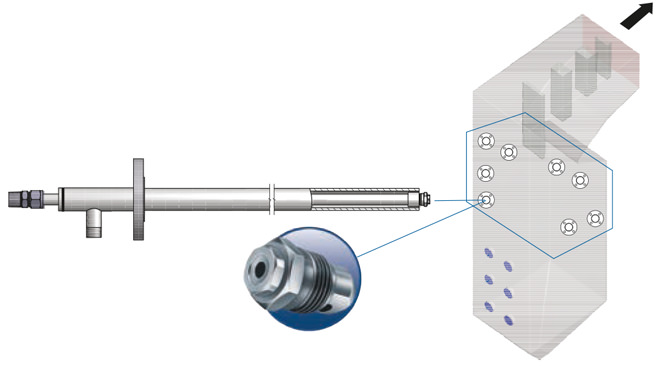
Results from Real NOx Emissions Control Operations
Spray injectors helped a power plant achieve a 45% NOx reduction goal.
Read the case study


