The role of humidity control in insect farming
Humidity control plays a vital role in insect farming. Insects thrive in environments with high humidity, and maintaining those levels consistent is crucial to their growth, health, and overall productivity. The right level of humidity reduces stress, enhances development and minimizes the risk of disease among insects, ensuring optimal conditions for insect development. These aspects make humidity control a determining factor for the insect farming industry.

How to determine humidity levels
The insect species and the insect’s lifecycle are two factors that play a determining role in the level of humidity that is needed for insect farming. For example, crickets need up to 70% humidity, while mealworms need 10% less and black soldier flies have a preference of higher levels. Taking these factors into account is essential for ensuring optimal conditions for each species.

Reducing energy costs with efficient humidity control
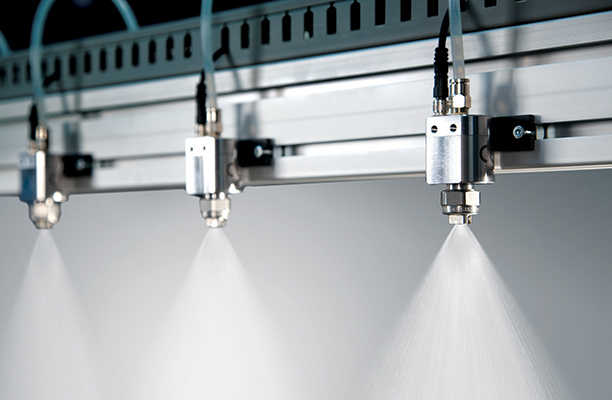
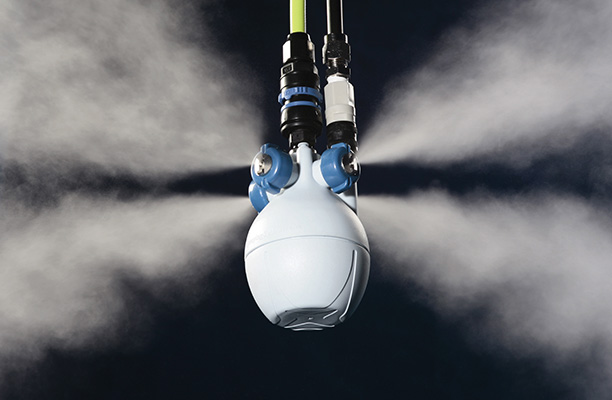
Efficient humidity control doesn’t just benefit the insects—it also helps insect farmers reduce energy consumption. Advanced humidification systems maintain optimal conditions without over-reliance on heating or cooling, leading to significant energy savings. This contributes to more sustainable and cost-effective farming operations.